Fathers Perinatal Mental Health Training (FiRST)
With Mark Williams BCAh FRSA
Fathers Perinatal Mental Health Training
With Mark Williams BCAh FRSA
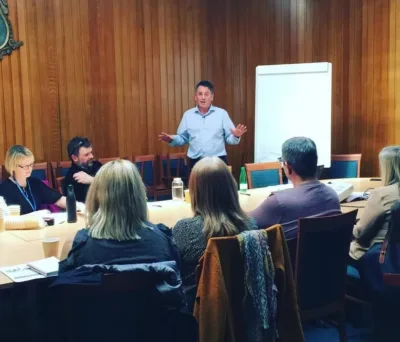
Impact:
This work has informed policy discussions at Westminster and contributed to national conversations on suicide prevention and family wellbeing.
Training Dates
Course Overview
Understanding Paternal Perinatal Mental Health. Supporting Fathers, Families and Infant Wellbeing
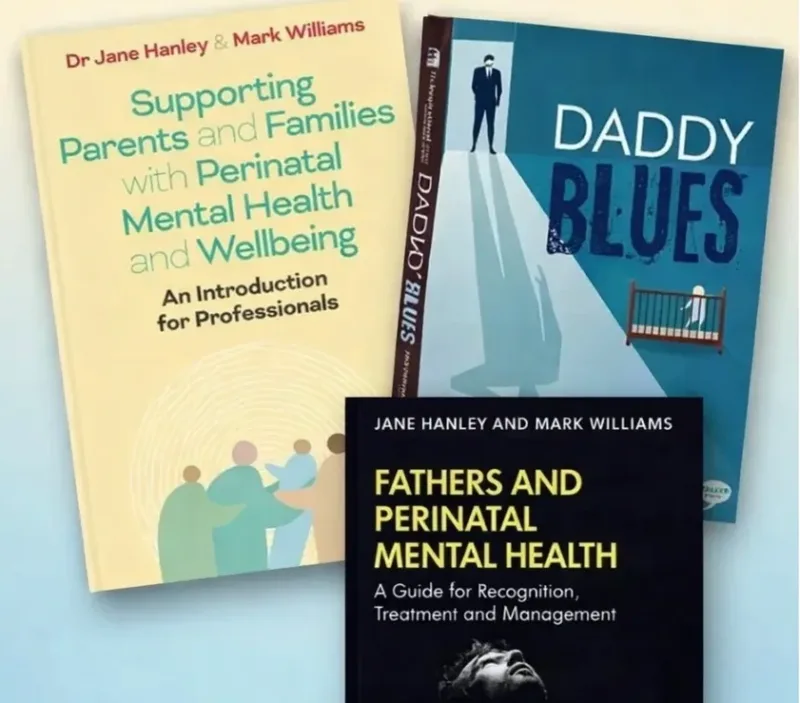
This course explores the importance of paternal mental health during the perinatal period, from pregnancy through the first years of a child’s life. Drawing on research, lived experience, and insights from Daddy Blues, Fathers and Perinatal Mental Health, and Supporting Parents and Families with Perinatal Mental Health and Wellbeing, the course highlights why fathers’ mental health must be recognised as a vital part of family wellbeing.
While significant progress has been made in maternal mental health, fathers are still often missing from the conversation, despite growing evidence showing the profound impact their mental health can have on partners, children, and family relationships.
Participants will learn about the psychological, social, and biological changes men experience when becoming fathers, alongside the pressures that can affect their wellbeing. These may include sleep deprivation, financial stress, changing identities, relationship challenges, and societal expectations of masculinity.
The course also explores the signs and symptoms of paternal depression, anxiety, trauma, and stress, including how these may present differently in men through behaviours such as withdrawal, anger, overworking, or risk-taking.
Importantly, the course examines the impact of paternal mental health on infant development, attachment, and long-term outcomes for children. Research increasingly shows that supporting fathers early can improve emotional security within the family and strengthen outcomes for children during the first 1001 critical days.
Participants will also explore the evidence linking paternal mental health and suicide risk, highlighting the need for earlier conversations, better identification, and father-inclusive services.
Throughout the course, participants will develop practical skills to engage fathers in supportive conversations, create father-inclusive environments, and adopt a whole-family approach to perinatal mental health care.
We have recently re-named this to FiRST – Father’s Inclusion & Recognition Support Training. You may see this in different advertising.
Key Learning Points
Participants will explore:
Understanding paternal perinatal mental health
The transition to fatherhood and identity changes
Research and evidence on fathers’ mental health
Signs and symptoms of depression, anxiety and distress in fathers
How paternal mental health affects partners, relationships and children
The importance of communication and listening skills with fathers
Barriers preventing fathers from seeking support
Suicide risk and the importance of early intervention
The role of professionals in creating father-inclusive services
Practical ways to support fathers and families

Who is this course for?
This course is suitable for:
Midwives
Health visitors
Perinatal mental health teams
GPs and healthcare professionals
Social workers
Early years practitioners
Family support workers
Community organisations
Employers supporting working parents
Course Outcomes
By the end of this course participants will:
Understand the importance of including fathers in perinatal mental health conversations
Recognise the signs of paternal mental health difficulties
Feel more confident starting supportive conversations with fathers
Understand the benefits of a whole-family approach to mental health
Be able to signpost fathers to appropriate support and services
Designed for department services.
Mark Williams – Fathers Reaching Out
If you are interested in this course for your department please get in touch directly for a group booking or book on to a place on the next course.
Professional Training
We provide evidence-informed keynote speaking, training, and consultancy designed to assist organizations in developing inclusive and effective strategies to improve fathers’ mental health, promote fathers reaching out, and enhance family wellbeing along with early intervention outcomes.
Our focus includes addressing paternal mental health issues and raising awareness of Mark Williams’ substantial contributions to fathers’ mental health and men’s health.
Founder Mark Williams BCAh FRSA
Mark Williams is a leading advocate for fathers’ mental health, a published author, and an international keynote speaker.
As the founder of the Global Paternal Mental Health Partnership and International Father’s Mental Health Day, he works globally to enhance recognition, policy, and support for fathers’ mental health.
His significant contributions to fathers reaching out for help have earned him accolades such as the Welsh Pride of Britain Award (2012), a Points of Light Award from the Prime Minister (2019), and the British Citizen Award at Westminster (2023), among many others.
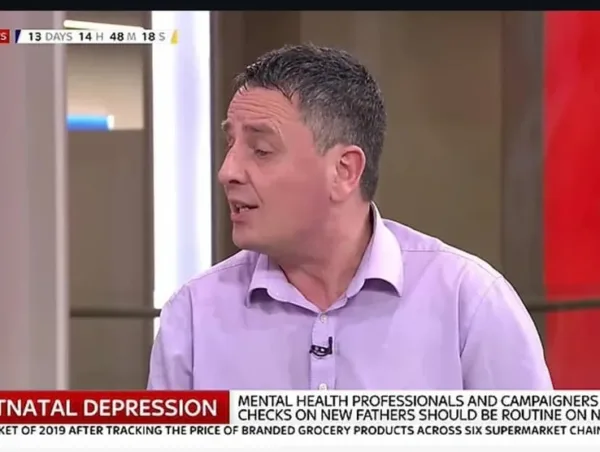
Mark has spoken at Westminster and featured on television and radio worldwide, collaborating with professionals to strengthen families and reduce suicide rates, thereby promoting men’s mental health.
Mark is also an ambassador for Mothers Matter Cymru and initiated the MBU Wales reopening campaign, emphasizing that every parent should be supported, reflecting his commitment to paternal mental health and the importance of men’s mental health.

Why Dads Matter
High suicide rates indicate that fathers experiencing perinatal mental health problems are up to 47% more likely to be rated as a suicide risk than at any other time in their lives. This highlights the critical need to address fathers’ mental health, as emphasized by Mark Williams in discussions about fathers mental health. Encouraging fathers reaching out for support during this crucial period is essential for improving men’s health and well-being, particularly in the context of paternal mental health.
Suicide Awareness
A UK study conducted in Wales from 2002 to 2021 revealed that 107 fathers died by suicide during their baby’s first 1,001 days, in stark contrast to just 16 mothers. This alarming statistic emphasizes the critical importance of addressing fathers’ mental health, especially during the early stages of parenthood. Initiatives such as ‘Mark Williams Fathers Mental Health’ underscore the necessity for fathers reaching out for support, as paternal mental health is vital for the well-being of both parents and their children. Focusing on men’s mental health is essential for promoting healthier family dynamics.
Paternal Depression
Approximately 1 in 10 fathers experience depression during pregnancy and early parenthood, highlighting the importance of addressing fathers’ mental health. Sadly, many fathers are never asked about their emotional well-being, and advocates like Mark Williams emphasize that the rates of paternal mental health issues could be even higher. By encouraging fathers reaching out for support, we can significantly enhance men’s health during this crucial transition.
Fathers may engage less, play less, and use harsher discipline, which can negatively impact a child’s emotional and behavioral development. Fathers Mental Health is crucial in this dynamic, as fathers struggling with mental health issues often face challenges that affect their confidence and ability to connect with their children. As Mark Williams emphasizes regarding Fathers Mental Health, it’s essential for these dads to consider Fathers Reaching Out for support. By taking proactive steps towards improving Mens Health, fathers can foster positive changes in their parenting and overall well-being, ultimately benefiting their Paternal Mental Health.
Our Impact
Discover how we’ve made a difference in the community and positively impacted the lives of those we serve, with a specific emphasis on fathers’ mental health. Our commitment to enhancing well-being includes initiatives like Fathers Reaching Out, which focuses on paternal mental health. We also actively support programs such as Mark Williams Fathers Mental Health to ensure that men’s health, particularly in the context of fatherhood, is prioritized.